
Urban Fabric Initiative: when residents take part in shaping the city
How can we build a city that truly reflects the people who live there? This is the question that the Urban Fabric Initiative (UFI) – brought together under a programme of activities known as PAPU – are seeking to answer as they experiment with a different way of shaping the city.
Rather than implementing a development project conceived in advance solely by urban planning experts, the UFI sets up, in the early stages of a major, structuring urban project, a multidisciplinary team – coordinated by the ‘incubator’ – to co-create a development or neighbourhood facility with residents, step by step, based on their actual uses.
The inspiration behind UFI schemes: tactical and transitional urban planning. Unlike traditional urban planning schemes, which are often dominated by technical or institutional concerns or political timetables, this more agile approach puts usage and the public interest back at the heart of the matter.
Whilst the tactical urbanism that inspires UFI draws directly on activist movements, squats and third places, the innovation of the scheme – funded by the AFD – lies in the way it has institutionalised these principles by applying them at every stage of the project (assessment, design, construction, management) and by linking them to the major urban projects it funds.
By challenging the established practices of project owners, UFI propose to move away from top-down urban planning towards co-design, where the city is no longer dictated from above, but is prototyped and then tested with its users.
In this article, Virginie Rachmuhl, coordinator of PAPU, the Programme for the Development of UFI, discusses how this ‘agile’ approach to urban planning puts use and residents back at the heart of urban development.
Traditionally, urban planning is a long-term endeavour: years of theoretical study precede the first ground-breaking. Transitional urban planning, on the other hand, turns this on its head. It is a low-impact, low-cost approach, often using recycled materials to experiment with different uses directly on the ground.
“Transitional/tactical urban planning is interesting because we don’t just carry out theoretical studies; we test things out on the ground and see what happens. It’s prototyping.”
Involve users and carry out field trials to avoid making mistakes
This approach to participatory design and testing is evident in several UFI:
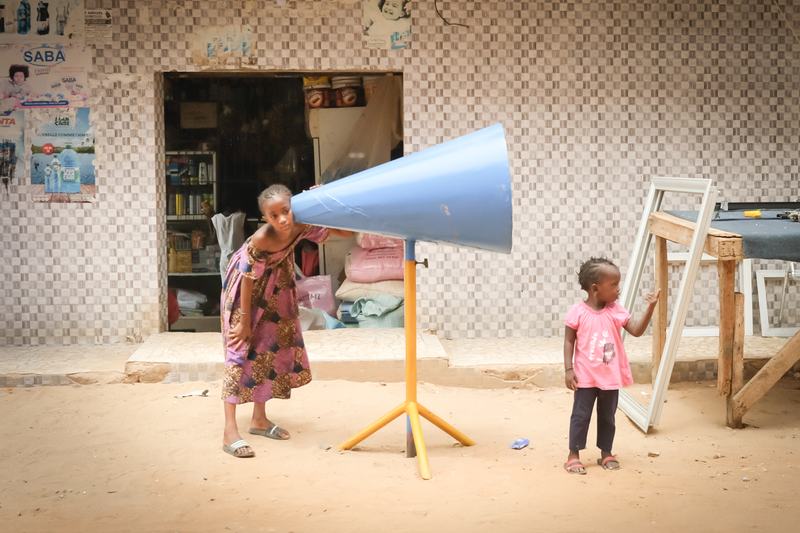
- In Dakar, Senegal, the Sentoukaye : before finalising the design of pedestrian facilities or rest areas, the team commissioned local craftspeople to create a mobile ‘street observatory’, the Sentoukaye, a system comprising glasses and a periscope. This experimental tool enabled residents to test their perception of space and to highlight real-world constraints to guide future projects.
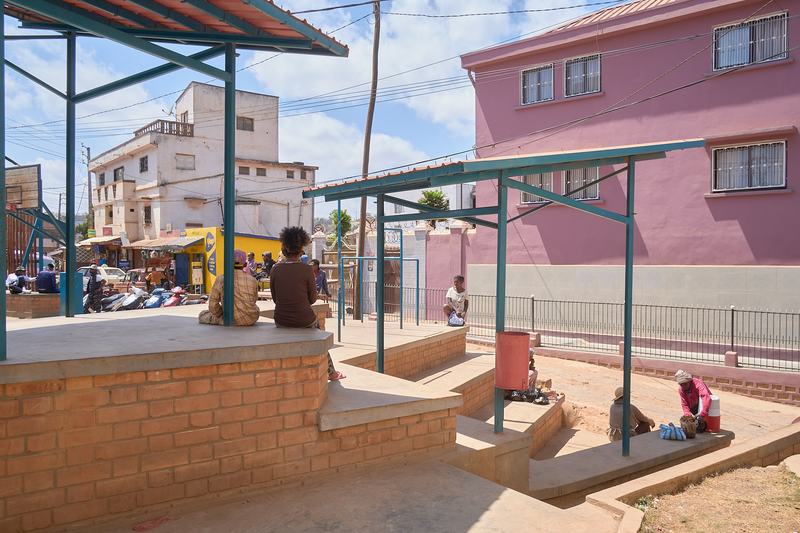
- In Antananarivo, Madagascar, ephemeral street furniture: the incubator has designed and tested various lightweight prototypes (bus stops, benches, street lights, barriers). Testing these elements on a small scale allows their usage to be observed before replicating them and investing more heavily in the major urban project focusing on sustainable transport.
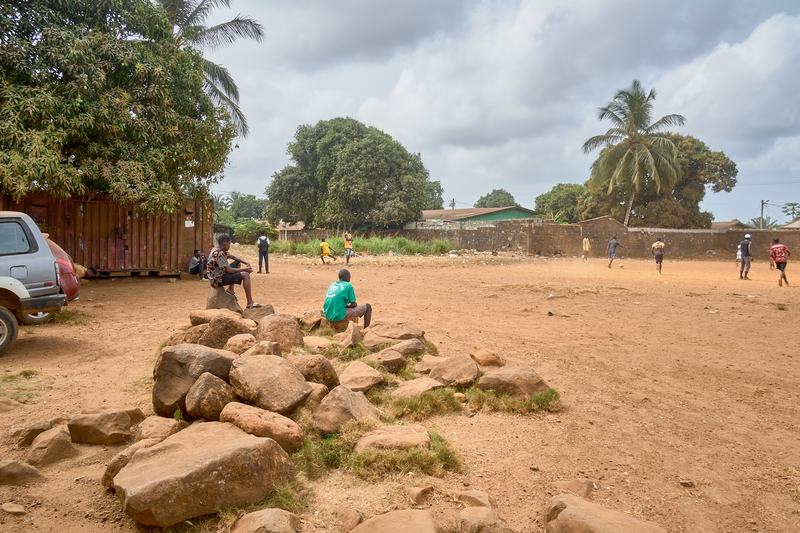
- A Monrovia in Liberia, the creation of community corners : the incubator has designed two ‘community corners’ in the Woodcamp and Shoe Factory neighbourhoods to test, at low cost, configurations of multi-purpose public spaces (libraries, play areas) and their management models. These lessons serve as a full-scale trial before the city’s major urban development project (MIDP) definitively expands and consolidates all the sites.
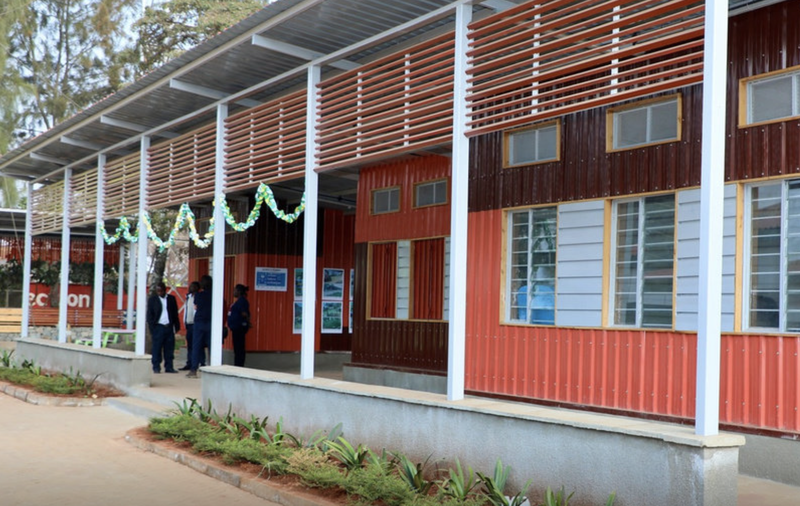
- A Nairobi in Kenya, the containers from Kayole Soweto: in response to uncertainty regarding the future widening of an alleyway, the urban nursery has adapted its project by replacing permanent structures with facilities housed in modular, demountable containers. This approach makes it possible to respond immediately to users’ needs whilst avoiding tying up land or wasting a substantial budget on infrastructure that might be demolished
By carrying out small-scale trials of different layouts, we can validate our assessment and avoid making mistakes regarding the final investment. This method thus prevents budgetary misallocations: it is better to invest a modest sum in a full-scale trial than to fund a major piece of equipment that would not meet any real need.
A bridge between the ephemeral and the enduring
Transitional urban planning is not at odds with large-scale sustainable projects: it serves as a testing ground for them. To reconcile the urgent needs of the present with the long-term process of urban development, UFIs draw on a range of interventions spanning different timescales:
- The ephemeral (the event): short-term events that meet a specific, immediate need – an activity, a beautification project, a community clean-up – with no intention of lasting or directly leading to anything else. These space activations are designed to foster social connections, spark residents’ interest, and test a venue over a few hours or days in order to assess its potential uses.
- Temporary use (pending use): the targeted occupation of a plot of land awaiting a development project or subject to administrative delays, in order to establish a temporary activity there without seeking to make it permanent.
- The transitional or tactical phase (validation testing, proof of concept): this is at the heart of the Pépinière’s methodology. It involves minor, reversible and low-cost physical alterations. Designed to directly test usage in real-world conditions, this method enables the validation of on-the-ground needs before finalising the design, with the aim of ensuring that the final large-scale urban project is more appropriate and better scaled.
Beyond validating uses, transitional urban planning also addresses a very practical reality on the ground: the time between the launch of a major urban project and its actual completion is often long, and the land set aside for future developments is frequently reused by residents whilst they wait for the project to materialise. By activating these spaces in a structured way, the UFI prevent them from being occupied spontaneously and without planning (which can sometimes make it difficult to bring about change later on), whilst ensuring the site continues to be put to good use until the final development is completed. It is worth noting, however, that whilst the Urban Nurseries were initially inspired by practices of transitional/tactical urbanism – rapid, low-cost actions driven by a logic of citizen reappropriation and rooted in local uses and initiatives – the scheme has gradually moved away from this approach as it has matured.
The challenge is no longer simply to trial a use on a temporary and spontaneous basis, but rather to place increasing emphasis on the long-term sustainability of developments and their close integration with the major institutional urban projects they support; at the risk of losing what made them innovative in the first place, and of moving towards a more conventional development project, with the budgetary and timetable constraints that this entails.
From field trial to sustainable infrastructure: the case of the Ouagadougou UFI
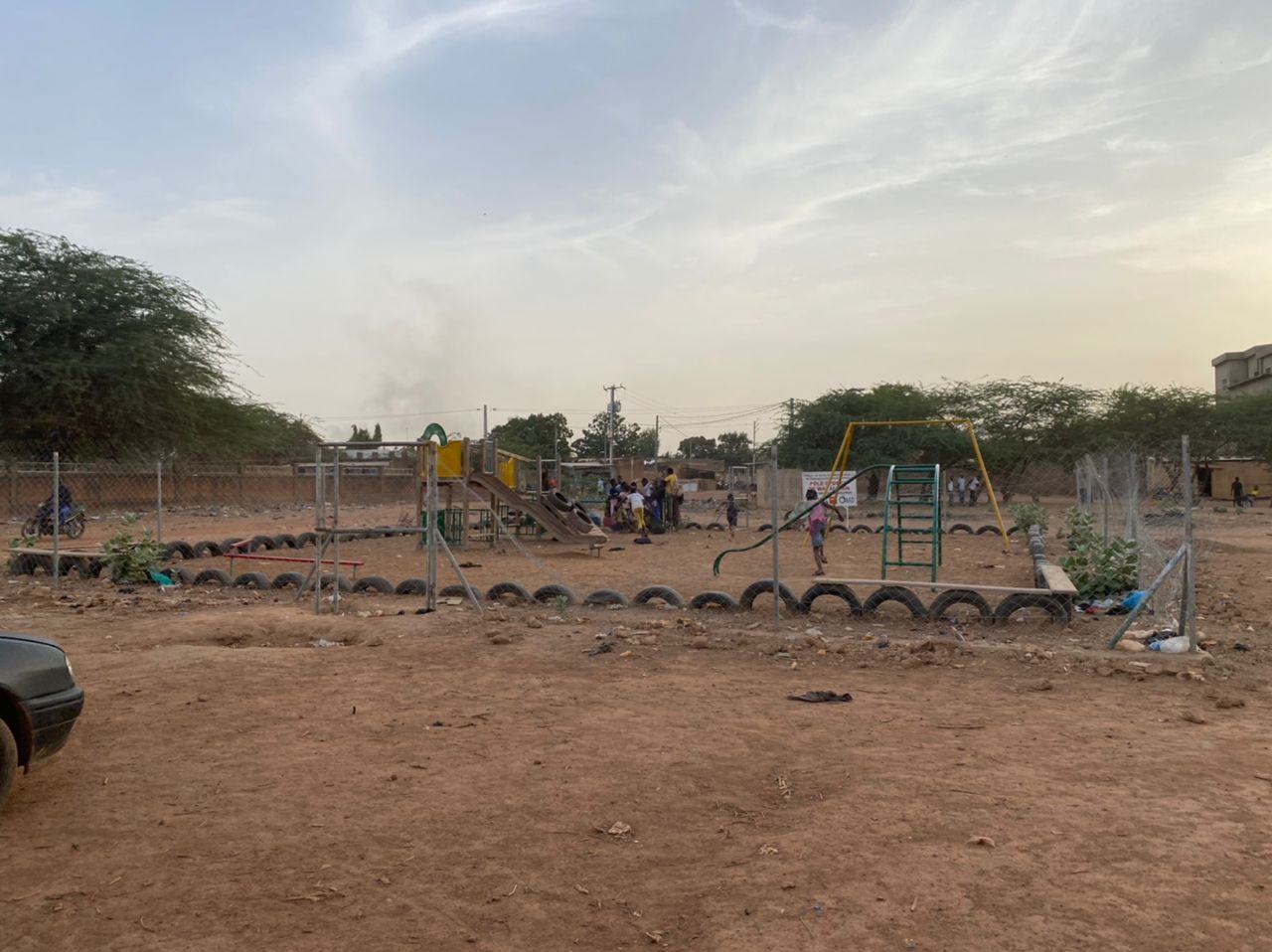
In Ouagadougou, this transitional approach took a very practical form: used tyres were lined up to mark out a local sports ground. This simple, quick-to-set-up installation fulfilled three key functions identified in the assessment: safeguarding the space from vehicles, marking out traffic flows, and observing how young people from the neighbourhood took ownership of the space.
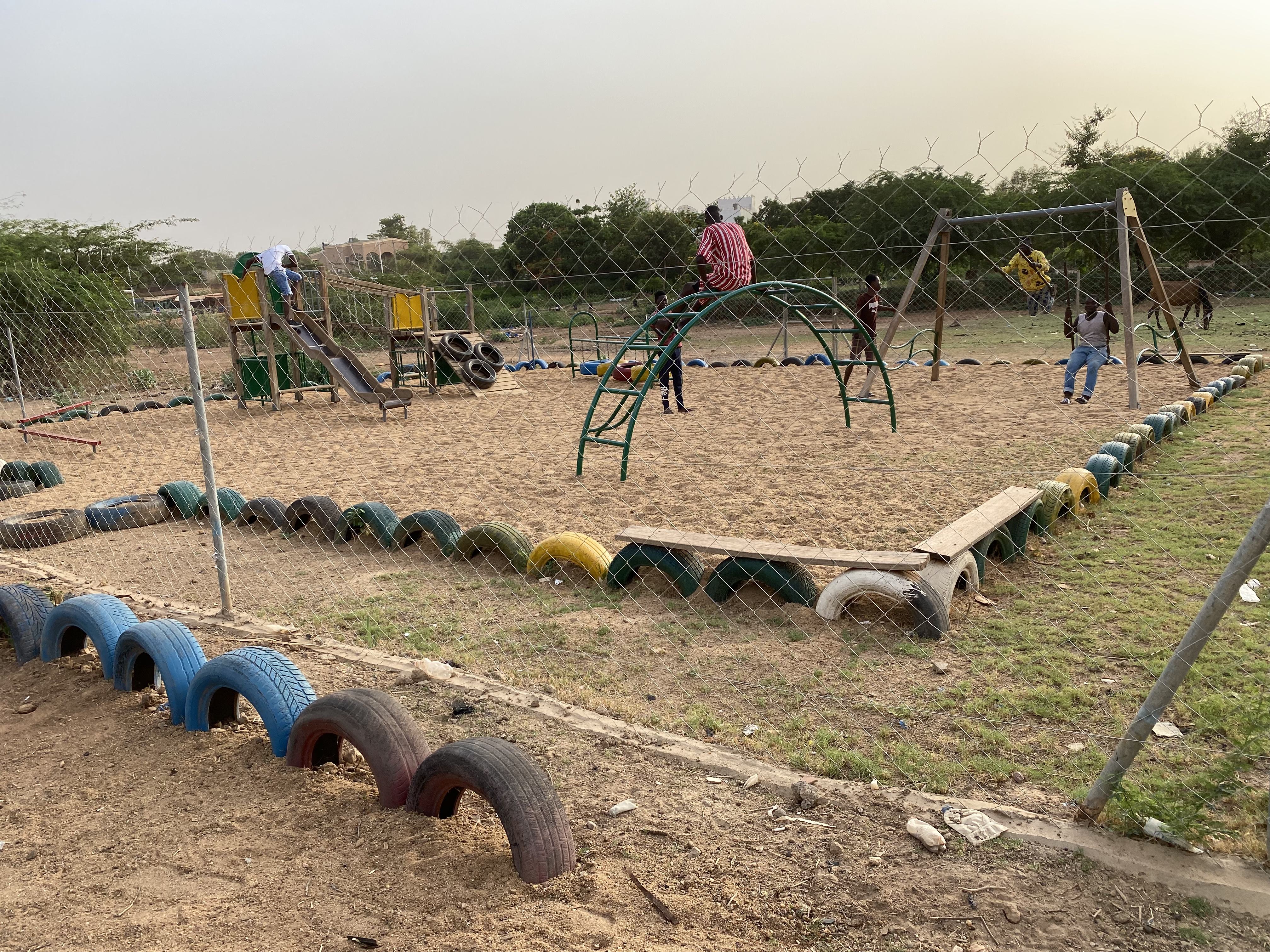
“It protected the space, acted as a fence, and prevented cars from entering the site… It allowed us to see the immediate impact on how the space was used and to test different layout options without this necessarily being permanent.”
These lessons learnt on the ground helped to refine the final development plan: once the intended use had been approved and the management model agreed with users, the temporary site could be replaced by a permanent facility, tailored to actual needs and with no risk of wasting public funds.
Co-design: at the heart of the PU reactor
Within the UFI, residents are not merely consulted at the start of the project via a satisfaction survey. They are involved at every stage, from the assessment (what are the uses and visitor numbers?), through to the ideation (what do we want to do with this site and how might we go about it?) and the design (what form should the development take?) and management (how will it be run afterwards?)
In Dakar, children from the Cité Icotaf neighbourhood (in the municipality of Pikine) have designed their own play areas. In Madagascar, ‘architectural drop-in centres’ are being set up directly in neighbourhoods of the capital, Antananarivo, to establish an ongoing point of contact with local residents. In Kigali, co-design takes the form of mapping workshops and exploratory walks with residents in steep neighbourhoods, with the aim of jointly designing stairways and small squares suited to their daily lives.
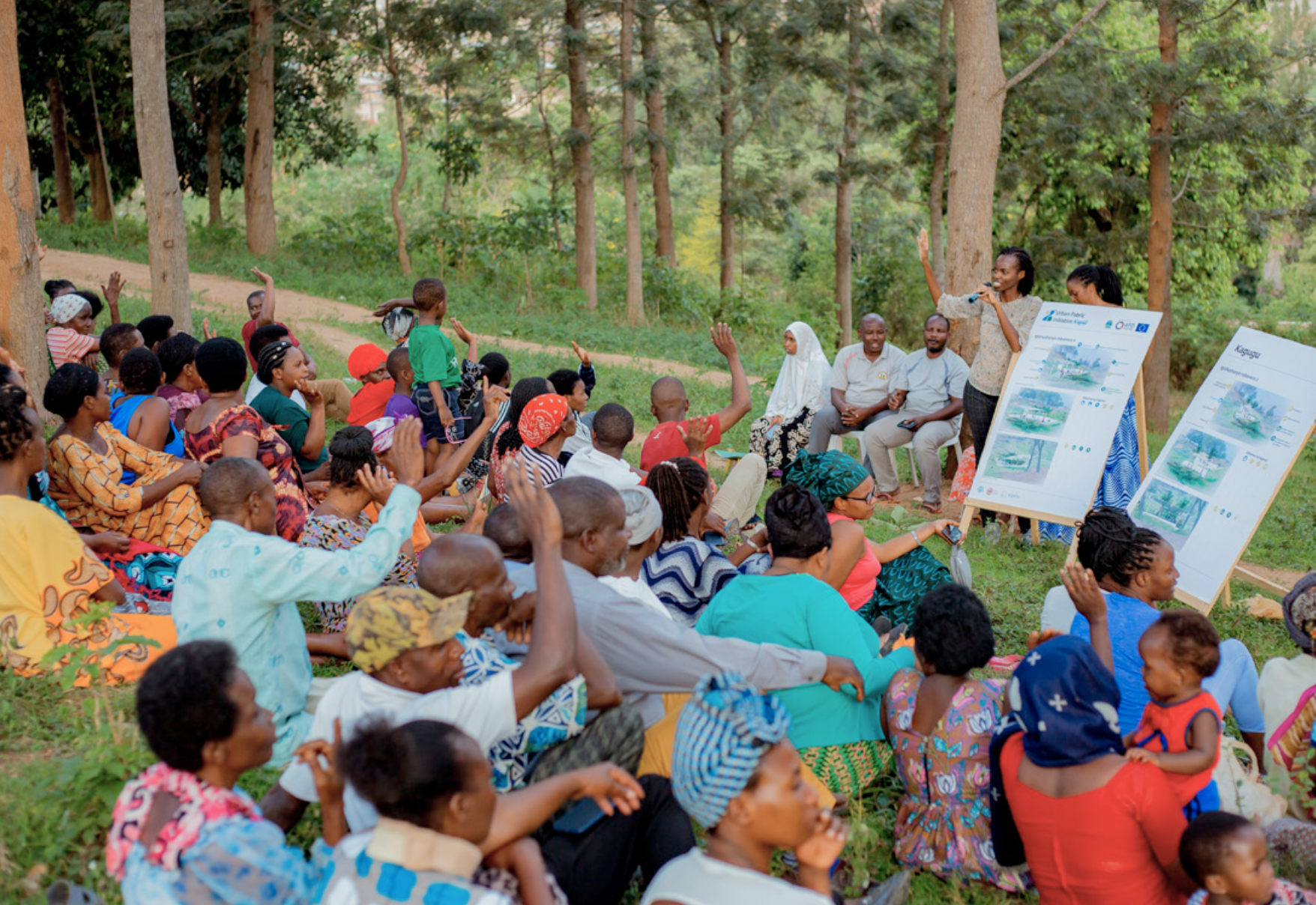
“The role of the UFI operator team is to turn these expectations into a project. Co-design is at the heart of transitional urban planning.”
This approach offers something that traditional urban planning does not: the right to make mistakes and to make adjustments. Because the cycle is short, there is time to build, observe how the space is used, gather feedback and, if necessary, rectify or adjust the development.
The ‘UFI Operator’: a multi-tasking conductor
To bring these projects to fruition, one key player is essential: the ‘UFI operator’. Represented by coalitions of NGOs, architectural collectives and social actors, this third-party operator acts as a bridge between public authorities and local communities. A true ‘driving force’, they must juggle a wide range of skills: a multidisciplinary approach, architecture, project management, social mobilisation and institutional engineering. Acting as both a technical expert and a mediator, they form the link between the institutional project owner and local communities.
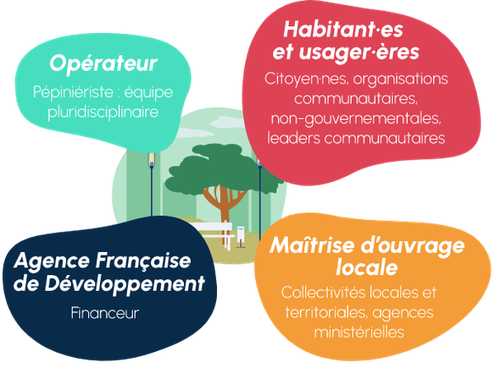
The role is as exciting as it is complex: it requires a combination of technical rigour (architecture, civil engineering) with social skills and an excellent understanding of the field (mediation, facilitation).
The main challenge facing the nursery manager lies in this balancing act: successfully reconciling the slow pace of administrative processes with the urgency of local residents’ day-to-day lives, whilst convincing the authorities to allow for flexibility and the right to make mistakes.
A political issue: towards more people-centred cities
Whilst transitional urban planning may seem modest compared to projects worth tens of millions of euros, its added value is immense. In particular, it can help to overcome a lack of available land or administrative deadlocks by offering temporary solutions that meet urgent needs. But beyond the technical aspects, a vision of society is taking shape. Giving residents a say in the development of their neighbourhood also means recognising and encouraging them to fully exercise their right to contribute to the shaping of the city.
“Participatory urban planning is worth championing because it involves the people who use these areas: cities must be shaped in collaboration with them. It takes longer and is more complicated, but it results in more people-centred cities.”
By striking a balance between financial constraints and social expectations, UFI demonstrate that the city is a collective endeavour that requires time, a willingness to listen and, above all, shared expertise. This is precisely what the concept of the ‘right to the city’ is all about: recognising that residents, as full citizens, have the capacity to shape and take ownership of urban space, rather than simply enduring it as a setting designed without their input.