From rubbish tip to community space: the transformation of two Nairobi neighbourhoods, as told by Denis and Gibson
In Kayole Soweto and Kahawa Soweto, two of Nairobi’s most densely populated informal settlements, neglected public spaces are being transformed into vibrant community hubs thanks to the Urban Incubator (UFI Nairobi). Located on the eastern and northern outskirts of the Kenyan capital, these two areas share similar structural challenges: high population density, land insecurity, poor waste management, and a chronic lack of basic public infrastructure and safe gathering spaces.
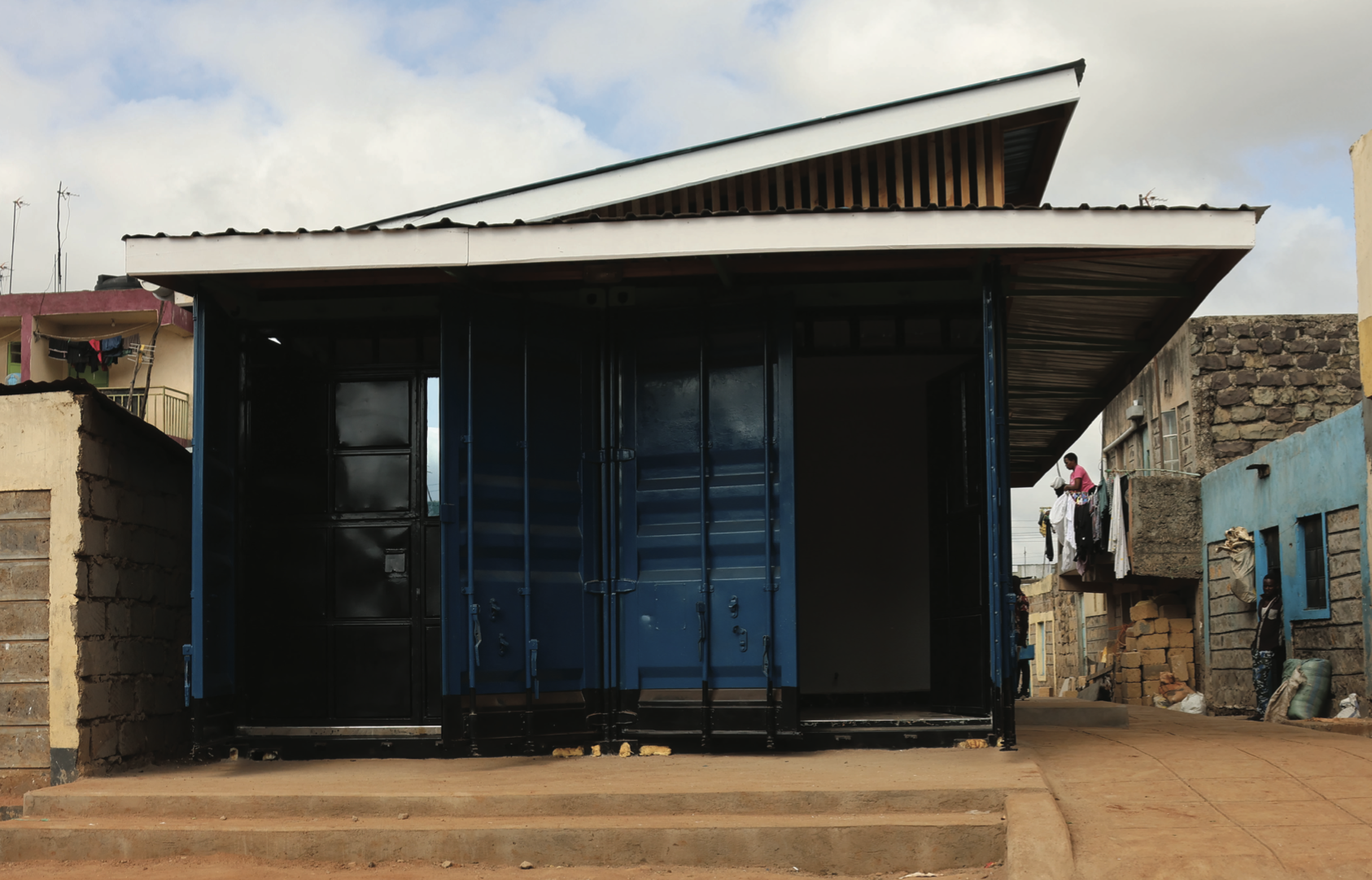
Implemented in partnership with Kounkuey Design Initiative(KDI), the Nairobi UFI has adopted an agile and tactical approach. Rather than constructing rigid, permanent buildings, the project has prioritised modular and flexible facilities: repurposed shipping containers, lightweight seating, play areas and toilet blocks. These adaptable facilities make it possible to provide essential services immediately, set up small local businesses and test models of collective management, whilst preserving the flexibility of the land for the future.
Local residents are at the heart of this transformation. Through a participatory co-design process, local residents have identified neglected spaces and worked directly with the urban development operator to transform them into self-sustaining neighbourhood centres.
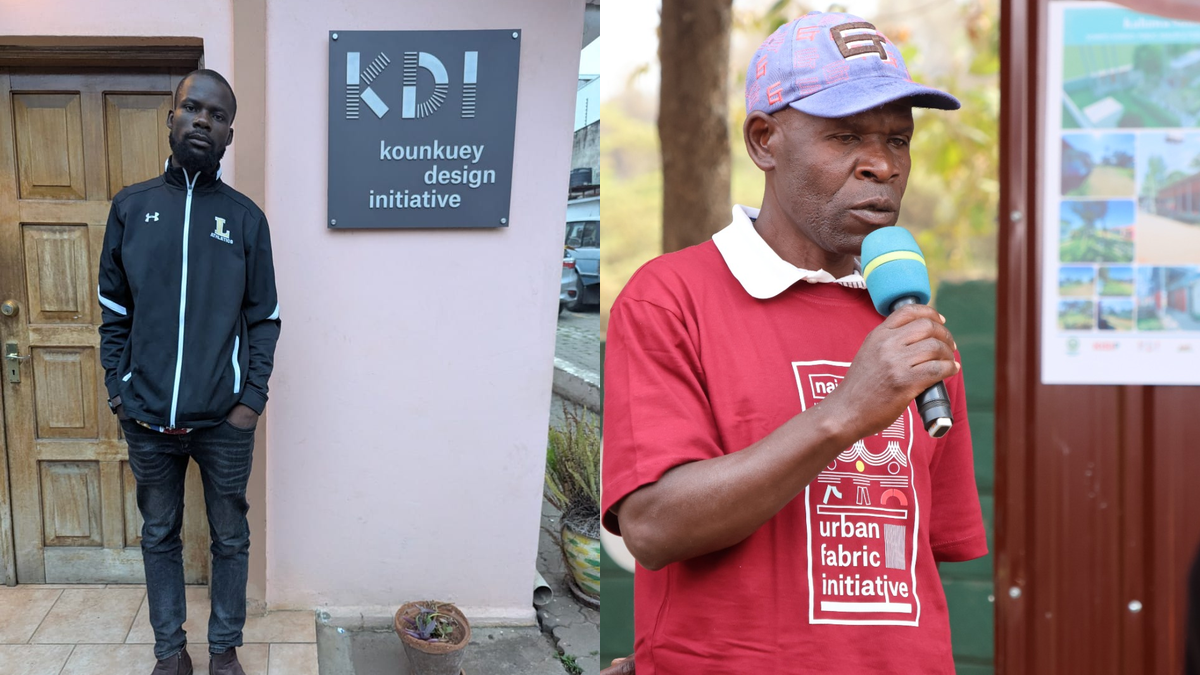
Among the key figures driving this change on the ground are Denis, who has been involved with the Kayole Soweto community group from the outset, and Gibson, chair of the community-based organisation (CBO) that now manages the site and oversees its day-to-day upkeep.
Il y a encore quelques années, le site de Kayole Soweto présentait un tout autre visage.
“Before the project, this place was a rubbish tip. There were two areas where rubbish was constantly being dumped,” recalls Denis.
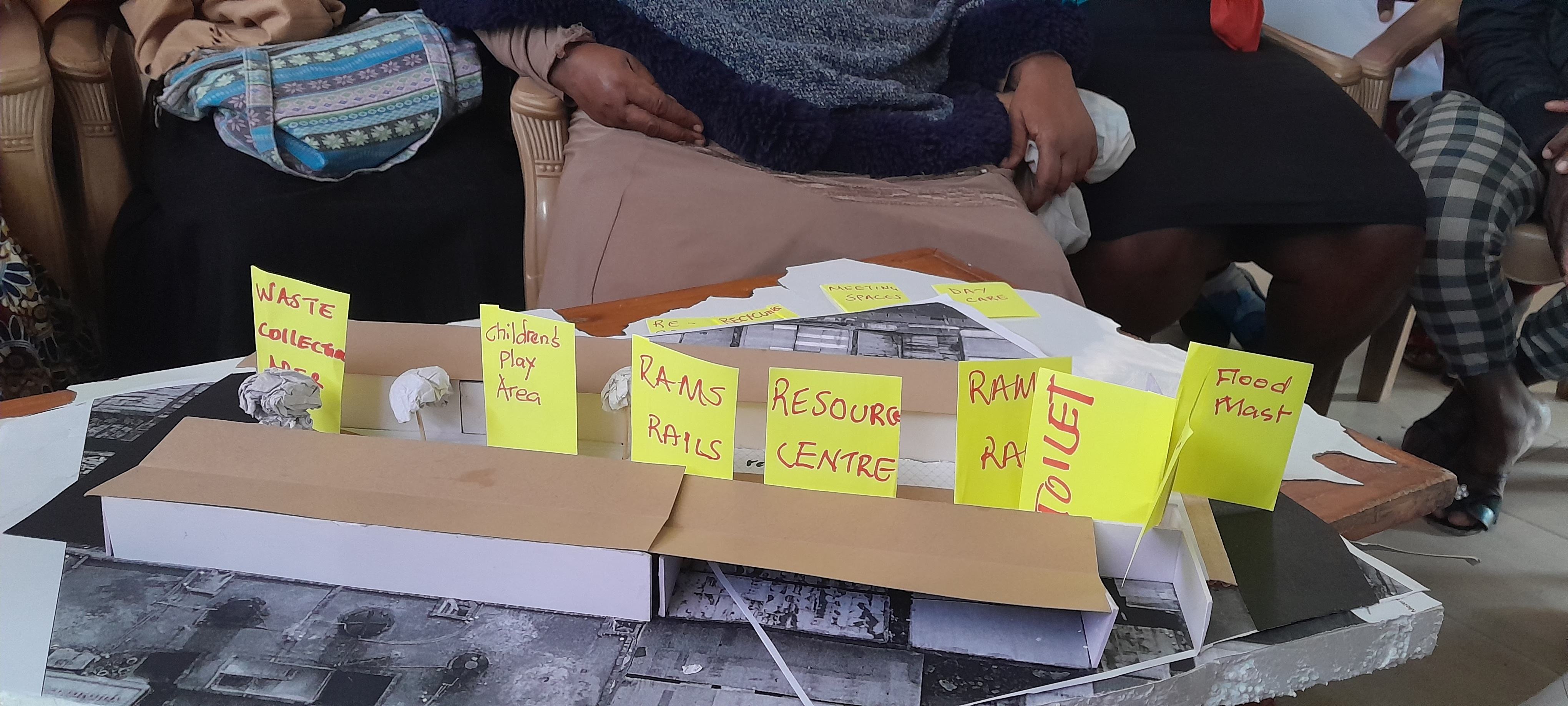
When the opportunity arose to take part in the UFI programme, local residents came together to envisage how the area could be transformed. Community groups were invited to identify unused public spaces and submit proposals for converting them into community facilities. Denis and his group were among the successful applicants.
“Initially, we had proposed a recycling project. But during the workshops with local residents, we realised that their priorities were different. People told us that their most urgent need was access to clean water and sanitation,” explains Denis.
Thanks to the participatory design process led by KDI, the project evolved gradually. Local residents took part in workshops to define the functions of the future space, thereby ensuring that the final design reflected the neighbourhood’s actual needs.
Today, the site features toilet facilities, water points, small shops, rest areas and a children’s playground.
For Gibson, the transformation is striking.
“If you compare the site today with what it was like before the UFI arrived, it’s like night and day. Now, families come here to relax, children have somewhere to play, and local people have access to essential services.” Gibson
The project has also created economic opportunities. The facilities, which include a laundry service and toilet facilities, generate a small amount of income which helps to fund the upkeep of the premises.
“The proceeds go towards maintaining the site,” explains Gibson.
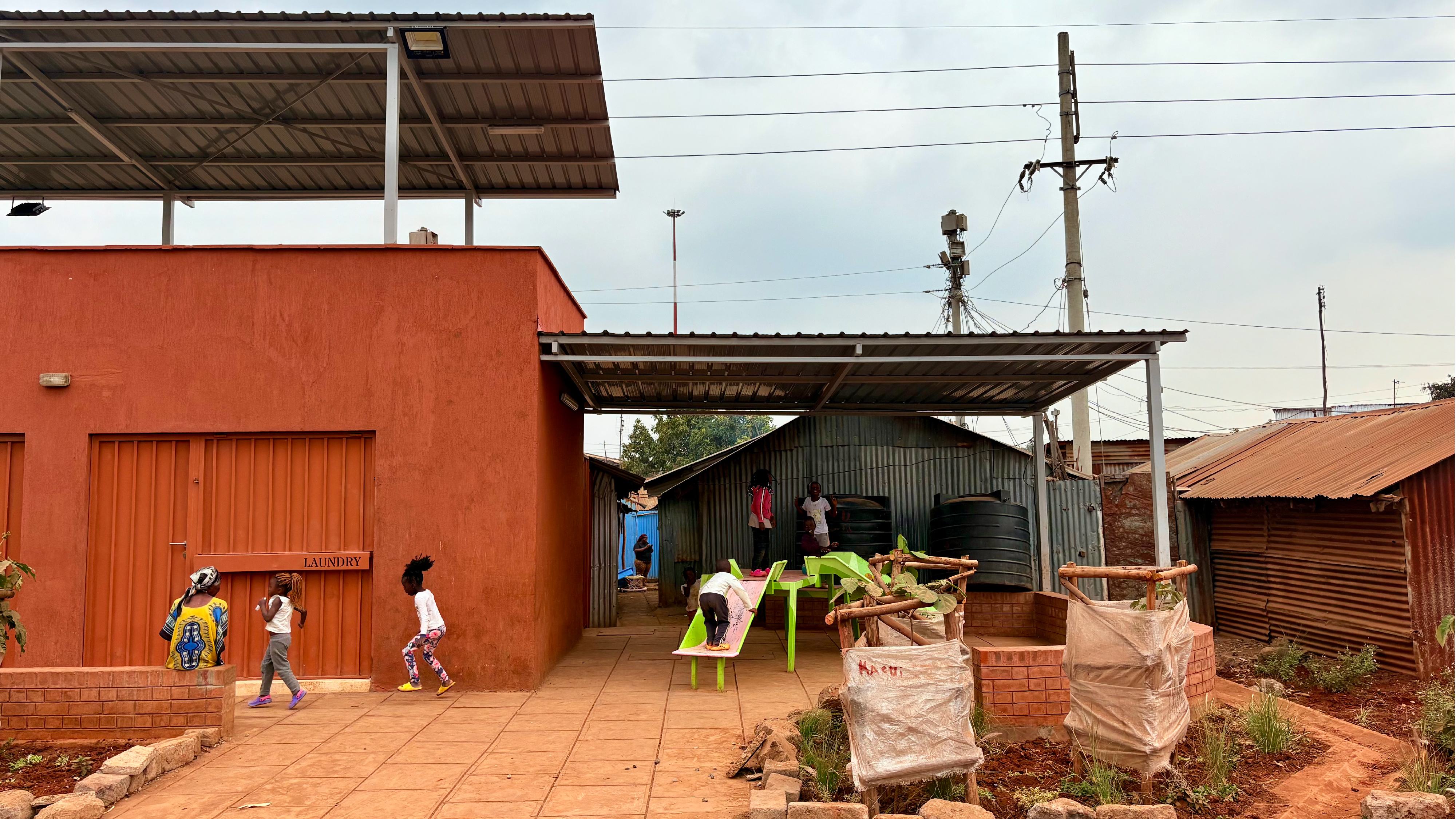
“The aim isn’t just commercial: it’s about providing services to the community and ensuring the area remains clean and vibrant.” Gibson
Beyond the physical improvements, local residents emphasise that the project has changed their relationship with the neighbourhood and their social ties.
“Before, people didn’t feel responsible for the place,” explains Denis. “Now, they understand that this place belongs to the community. We come here to meet up, organise activities or simply relax.”
The site now hosts meetings, community events and gatherings, establishing itself as a major social hub in the neighbourhood.
For both Gibson and Denis, this experience highlights the crucial importance of public participation in urban development. “Many projects are funded by donors without really involving the local community,” says Denis. “Here, we designed everything together.”
Looking to the future, the residents hope the initiative will inspire others to follow suit. “We’d like to see similar projects rolled out in other neighbourhoods of Nairobi and across Kenya,” concludes Gibson. “Listening to the community is the key.”
La co-conception des espaces et des équipements avec les usager·es est le cœur même de la démarche des Pépinières urbaines. En travaillant avec les habitant·es pour identifier les besoins réels et des solutions pratiques, les aménagements finaux s'adaptent parfaitement aux réalités locales, garantissant une meilleure appropriation. Pour en savoir plus sur les Pépinières urbaines, rendez-vous sur : https://pepinieres-urbaines.org/